Career Stats
Career Overview
Mutabaruka has 1 film credits since 1993 .
- Peak: 1993
Role Distribution
Genre Breakdown
Biography
EARLY LIFE
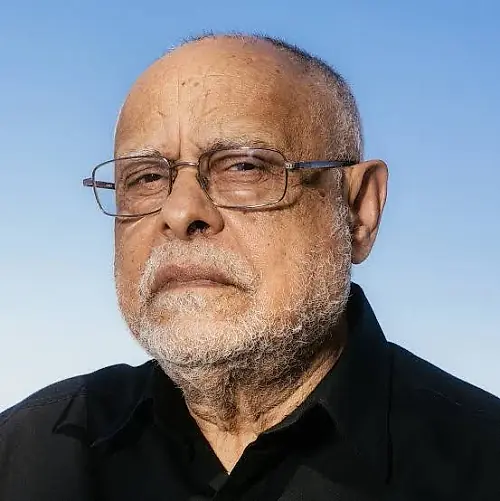
Allan Hope was born on 26 December 1952 in Rae Town, Kingston, Jamaica, and raised in a household with his father, mother, and two sisters. His father died when he was eight years old. He attended Kingston Technical High School, where he trained in electronics for four years. After school he worked for the Jamaican Telephone Company. During the late 1960s and early 1970s he was drawn into the Black awareness / Black Power movement. He read progressive and then-banned literature in Jamaica, including Eldridge Cleaver’s Soul on Ice and The Autobiography of Malcolm X. Raised Roman Catholic, he began exploring and eventually fully embraced the Rastafari movement. He stopped combing his hair and grew dreadlocks, adopted an ital (natural) diet, stopped wearing shoes, and took the name Mutabaruka.
CAREER
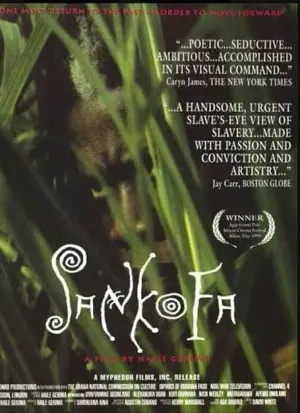
Mutabaruka emerged in the early 1970s as part of a new wave of Jamaican poets. His early poems appeared in Swing magazine from 1971. His first collection, Outcry (1973), drew strong attention; later volumes include Sun and Moon (1976, with Faybiene), The Book: First Poems (1980), and The Next Poems (2005). He began performing live with his band Truth in 1977 and scored a Jamaican hit with “Outcry” (backed by Cedric Brooks’ Light of Saba). Collaboration with guitarist Earl “Chinna” Smith produced the hit “Every Time a Ear Di Sound.” His international breakthrough came with a performance at Reggae Sunsplash in 1981. Key albums include Check It! (1983, Alligator Records), The Mystery Unfolds (1986, featuring the iconic poem “Dis Poem”), Any Which Way…Freedom, Blakk Wi Blak…K…K…, Melanin Man, Life Squared, and more recent releases such as Black Attack (2023). He has collaborated with artists including Gregory Isaacs, Dennis Brown, Sugar Minott, Luciano, and others. “Dis Poem” gained wider exposure when used as the introduction to Bobby Konders’ house/reggae track “The Poem.” He has performed at major festivals (including multiple Reggae Sunsplash appearances and Lollapalooza in 1993) and continues to record and tour. In the mid-1990s he became a prominent radio personality on Irie FM with the late-night talk show The Cutting Edge (and later Steppin’ Razor), known for sharp social and political commentary. He has lectured widely, including on African-American studies at Merritt College in California and at institutions such as Stanford University. He narrated Stephanie Black’s documentary Life and Debt (2001) and has appeared in films including Land of Look Behind (1981), Sankofa (1993, as Shango), and One Love (2003). In 2016 the Government of Jamaica awarded him the Order of Distinction in the rank of Commander (CD) for his contributions to culture. He has also received recognition from Senegal and various cultural organisations.
PERSONAL LIFE
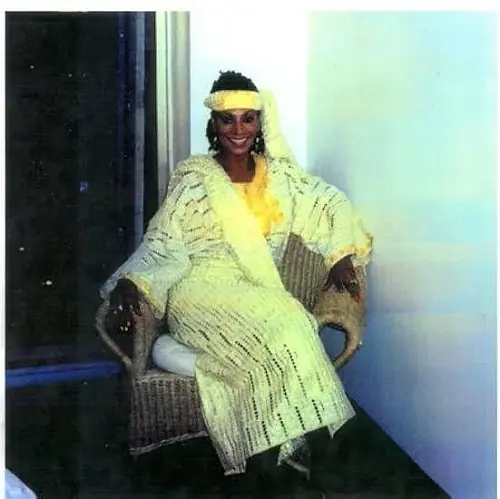
In 1971 Mutabaruka left his job at the telephone company and relocated with his partner Yvonne from Kingston to the Potosi Hills in St. James parish, seeking a more congenial environment. There he built his own house; the couple had two children (sources name daughters Ishama Hope and Ishiwawa Hope). He has spoken of Rastafari as part of a broader universal spiritual quest that can also be pursued through other paths such as Hinduism, Buddhism, or Christianity, while remaining critical of institutionalized religion. He later became associated with life partner Jacqueline ‘Amber’ Cohen, who has been involved in his distinctive African-inspired clothing style (Mutamba Designs). He is known for performing and appearing publicly barefoot and in African robes. He has lived simply and maintained a strong connection to rural and cultural life in Jamaica while travelling internationally for performances and lectures.
Mutabaruka is noted for his outspoken views on religion, politics, education versus indoctrination, cannabis decriminalization, and social justice. He resists narrow labels such as “dub poet” or “protest poet,” viewing his work as broader cultural expression. He remains an influential voice in Jamaican and international reggae, poetry, and Pan-African discourse, continuing to perform, record, lecture, and broadcast.
Filmography
Key Collaborations
Frequent Co-Stars
Frequent Directors
Frequent Writers
Career Timeline
By Decade
Box Office Trend
Sep 11 – Sep 17, 2026- 1
 One Gidi NightNew this week₦17,523,920.0075 cinemas
 - 2
 ₦15,948,949.0037 cinemas
 - 3
 ₦11,144,825.0052 cinemas
 - 4
 ₦10,840,075.0037 cinemas
Subscribe to our Newsletter
Get the latest box office updates, trending movies, and exclusive reviews delivered straight to your inbox.
Popularity Score
Top 100% of African actors