Kofi Ghanaba
- Born
- 1923-05-04 (age 85)
- Died
- 2008-12-22 (aged 85) · 17 years ago
- Birthplace
- Accra, Gold Coast
- Occupation
- Musician, Singer/songwriter, Record Producer, Journalist, Broadcaster/dj, Actor
- Alma Mater
- Achimota College
- AKA
- Ghanaba, Guy Warren, Guy Warren of Ghana, The Divine Drummer, Odomankoma Kyrema, Warren Gamaliel Kpakpo Akwei
Career Stats
Career Overview
Kofi Ghanaba has 1 film credits since 1993 .
- Peak: 1993
Role Distribution
Genre Breakdown
Biography
EARLY LIFE
Warren Gamaliel Kpakpo Akwei was born on 4 May 1923 in Accra in the then British colony of the Gold Coast. His parents named him after U.S. President Warren G. Harding. His father, Richard Mabuo Akwei, was a prominent educationist who founded and served as the first headmaster of the Ghana National School in Accra and later became the first Ghanaian Chief Executive of the Central Organisation of Sports. His mother, Susana Awula Abla Moore, was known as a great beauty and trader. He attended Government Boys’ School in Accra (1928–1939), where he played in the school band, and later Odorgonno Secondary School. In 1941 he won a government scholarship to Achimota College with the intention of becoming a teacher at his father’s school. He excelled in sports (football and volleyball) but left in 1942/1943, later stating he was “bored stiff with my studies and the stern discipline of the college, which attempted to change me into an Englishman.” From a young age he showed strong musical interest. At around age seven he learned the Charleston from visiting seamen; later a British army captain gave him a gramophone and an Artie Shaw record, deepening his love of American jazz. In 1940 he joined the Accra Rhythmic Orchestra under Yeboah Mensah as a drummer.
CAREER
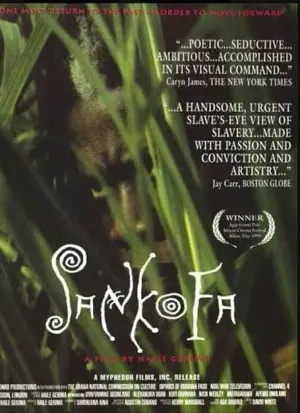
Ghanaba’s multifaceted career spanned music, journalism, broadcasting, and acting. In 1943 he briefly enlisted with the U.S. Office of Strategic Services during World War II and travelled to the United States. Returning to Accra, he worked as a journalist (including for the Spectator Daily under Robert Wuta-Ofei) and later as editor of several newspapers (Daily Echo, Gold Coast Independent, Star of West Africa). In 1944 he began broadcasting jazz programmes on the Gold Coast Broadcasting Service under the name Guy Warren—one of the earliest African disc jockeys—and later hosted programmes for the BBC, becoming one of the first Africans to do so. Musically, he played with the Accra Rhythmic Orchestra and co-founded/early member of The Tempos (alongside E.T. Mensah and others), helping introduce modern jazz and Afro-Cuban influences into Ghanaian highlife. He worked in London with Kenny Graham’s Afro-Cubists, introduced Latin American instruments and calypso influences back to Ghana, and later served as Assistant Director and resident DJ at Liberia’s National Broadcasting Service. In the mid-1950s he moved to the United States (Chicago then New York), collaborating or interacting with jazz giants including Charlie Parker, Thelonious Monk, Max Roach, Duke Ellington, Lester Young, Art Blakey, Billie Holiday, and others. His landmark 1956 album Africa Speaks, America Answers (Decca), recorded with Gene Esposito, is widely recognised as a pioneering work of Afro-jazz that integrated authentic African rhythms and instruments with jazz. The track “That Happy Feeling” (originally “Eyi Wala Dong”) later became an international hit in an orchestral version by Bert Kaempfert. Subsequent albums included Themes for African Drums (RCA Victor, 1958) and others on labels such as Decca, RCA, Columbia, and his own Safari imprint. Frustrated by limited commercial success and a sense that African-American jazz needed stronger reconnection to African roots, he returned to Ghana. On 1 July 1974 (Republic Day) he adopted the name Kofi Ghanaba (“son of Ghana”). He continued performing, advocated for indigenous instruments as National President of the Musicians Union of Ghana (1989–1992), and created a celebrated African talking-drums interpretation of Handel’s “Hallelujah Chorus,” which earned him the title Odomankoma Kyrema (Divine Drummer) in 1981 from the African Heritage Village in England. He performed at the Royal Albert Hall and other major venues, appeared in Haile Gerima’s film Sankofa (1993) and the stage production Yaa Asantewaa: Warrior Queen (2001–2002), and remained active until late in life. He also acted in the 1951 film The Boy Kumasenu. Max Roach later praised him as being “so far ahead” that contemporaries did not fully understand his call to cross-fertilise African-American music with its African origins. His work influenced later artists including Fela Kuti and Osibisa.
PERSONAL LIFE
Ghanaba was married twice and had six children (four sons and two daughters). His sons include Guy Warren Jr. (also known as Odinga Oginga), an artist specialising in sculpture, painting and carving based in New York; Glenn Gillespie Warren (“Ghanababa”), a jazz drummer who collaborated with his father and to whom Ghanaba formally handed his drumsticks in 2008 as a symbolic passing of the legacy; Gamal Abdel Nasser Warren (“The President”), named with the blessing of Egypt’s President Nasser; and Gamaliel Joseph Warren, also a jazz drummer. In 1976 he married Felicia Ghanaba, a Togolese woman living in Ghana. They had two daughters: Medie Ghanaba Lemay (born 1977) and Gye Nyame Hosanna Ghanaba (born 1982). He was described as a kind husband and loving father. Later in life he embraced Buddhism, lived a more reclusive and spiritual existence (including periods in Achimota and the village of Korleman/Medie near Accra), and established the African Heritage Library. He remained deeply committed to African cultural identity and spirituality, viewing drumming as a form of worship and purposeful emotional expression.
Ghanaba was a cultural nationalist and occasional political adviser (including to Kwame Nkrumah and later Jerry Rawlings). He published a mini-autobiography, I Have a Story to Tell (1966), and founded/edited the newspaper Hwe. He was buried in a coffin designed as a drum by Eric Adjetey Anang of the Kane Kwei Carpentry Workshop. A tribute concert was held at New York’s Jazz Gallery in 2009 featuring Randy Weston and others. His legacy endures as a foundational figure who insisted on the African roots of jazz and helped shape the global conversation around African contributions to world music.
Filmography
Key Collaborations
Frequent Co-Stars
Frequent Directors
Frequent Writers
Career Timeline
By Decade
Box Office Trend
Sep 11 – Sep 17, 2026- 1
 One Gidi NightNew this week₦17,523,920.0075 cinemas
 - 2
 ₦15,948,949.0037 cinemas
 - 3
 ₦11,144,825.0052 cinemas
 - 4
 ₦10,840,075.0037 cinemas
Subscribe to our Newsletter
Get the latest box office updates, trending movies, and exclusive reviews delivered straight to your inbox.
Popularity Score
Top 100% of African actors