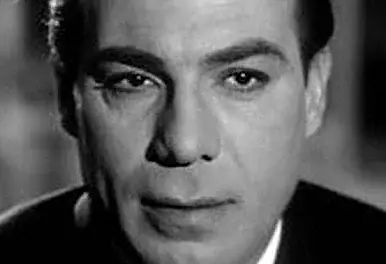
Farid Shawqi
- Born
- 1920-07-30 (age 77)
- Died
- 1998-07-27 (aged 77) · 28 years ago
- Birthplace
- El-Sayyeda Zainab, Cairo, Egypt
- Occupation
- Actor, Screenwriter, Film Producer
- Spouse
- Zainab Abdel Hadi (m. 1941; div. 1945), Saneya Shawqi (m. 1945; div. 1950), (m. 1951; div. 1969), (m. 1970 until his death)
- AKA
- The Screen Monster, King of the Third Class, The Giant, Abu el-Banat, Farid Bay, The King, Farid Shawqi Mohammad Abdou Shawqi
Career Stats
Career Overview
Farid Shawqi has 1 film credits since 1958 .
- Peak: 1958
Role Distribution
Genre Breakdown
Biography
EARLY LIFE
Farid Shawqi was born on 30 July 1920 in the popular El-Sayyeda Zainab quarter of Cairo. He grew up in a working-class environment that later informed his strong connection with ordinary audiences. During the Second World War he worked as a civil servant while beginning to appear in small theatre roles with the Ramsis Theatre group under Youssef Wahbi and later with Anwar Wagdy. He co-founded the National League of Acting (later known as the 20 Theatre), which specialized in Chekhov plays and helped form the nucleus of Egypt’s Higher Institute of Drama. He left the civil service in 1946 to pursue acting full-time.
CAREER
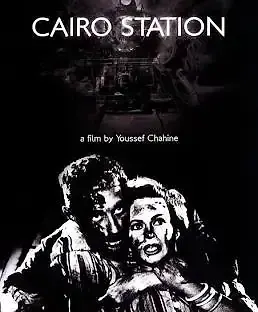
Shawqi’s career spanned roughly 50 years (1946–1996). He appeared in approximately 350–360 films, more than two dozen plays, and numerous television series, while also writing around 25 screenplays and producing about 30 films. He worked with over 90 directors and was popular across the Arab world and beyond (including some work in Turkey). He began primarily in villain roles in the 1940s and early 1950s; his name, alongside that of Mahmoud El-Meliguy, was often a guarantee of box-office success. A turning point came with Ga’aloony Mujriman (They Made Me a Criminal, 1954), which he also wrote. The film addressed social issues such as homeless children and institutional failure and helped transform his image from pure villain to complex, often heroic or anti-heroic everyman who championed the underdog. Among his most celebrated performances is the role of Qinawi in Youssef Chahine’s Cairo Station (Bab el Hadid, 1958), opposite Hind Rostom. Other notable works include El-Fetiwwah (1957), various social dramas, action films, and collaborations with major stars and directors of Egyptian cinema’s golden age. He was especially beloved by working-class audiences (the “third-class” cinema-goers), which earned him the lasting nickname “Malek el-Terso” (King of the Third Class). Critics and fans also called him the “Beast of the Arab Silver Screen” for his powerful physical presence and charismatic authority. He continued working productively into the 1990s and was still developing projects (including one for one of his daughters) near the end of his life. He received multiple best-actor and screenplay awards over the decades and was honored with a Google Doodle on what would have been his 94th birthday (30 July 2014).
PERSONAL LIFE
Shawqi married four times and was the father of five daughters (no sons), which earned him the affectionate nickname “Abu el-Banat.” His first marriage to actress Zainab Abdel Hadi produced daughter Mona. His second marriage was to Sania (Saneya) Shawqi. His third and highly publicized marriage was to popular singer-actress Huda Sultan (1951–1969); they formed a famous on-screen and off-screen partnership, appearing together in more than 80 films, and had two daughters, Nahed (who became a successful film producer) and Maha. In 1970 he married Soheir Turk, with whom he remained until his death; they had two daughters, Abeer and Rania (the latter an actress). He was known for his larger-than-life persona both on and off screen and remained close to his family. He died of heart-related problems on 27 July 1998 in Maadi, Cairo, three days before his 78th birthday.
Farid Shawqi is widely regarded as one of the greatest and most influential actors in the history of Egyptian and Arab cinema. His combination of physical intensity, popular appeal, and willingness to tackle social themes made him a cultural icon who embodied the hopes and frustrations of ordinary people during decades of political and social change. His enormous body of work and enduring nicknames reflect both his commercial dominance and his deep connection with audiences across the Middle East.
Filmography
Key Collaborations
Frequent Co-Stars
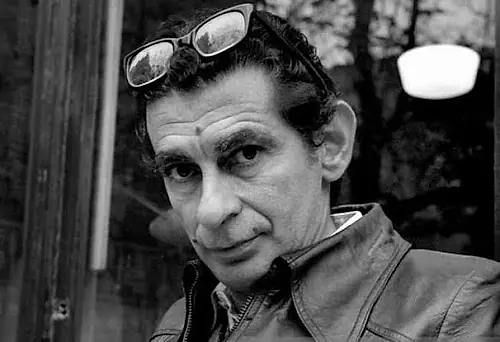

Frequent Directors
Career Timeline
By Decade
Box Office Trend
Sep 11 – Sep 17, 2026- 1
 One Gidi NightNew this week₦17,523,920.0075 cinemas
 - 2
 ₦15,948,949.0037 cinemas
 - 3
 ₦11,144,825.0052 cinemas
 - 4
 ₦10,840,075.0037 cinemas
Subscribe to our Newsletter
Get the latest box office updates, trending movies, and exclusive reviews delivered straight to your inbox.
Popularity Score
Top 100% of African actors