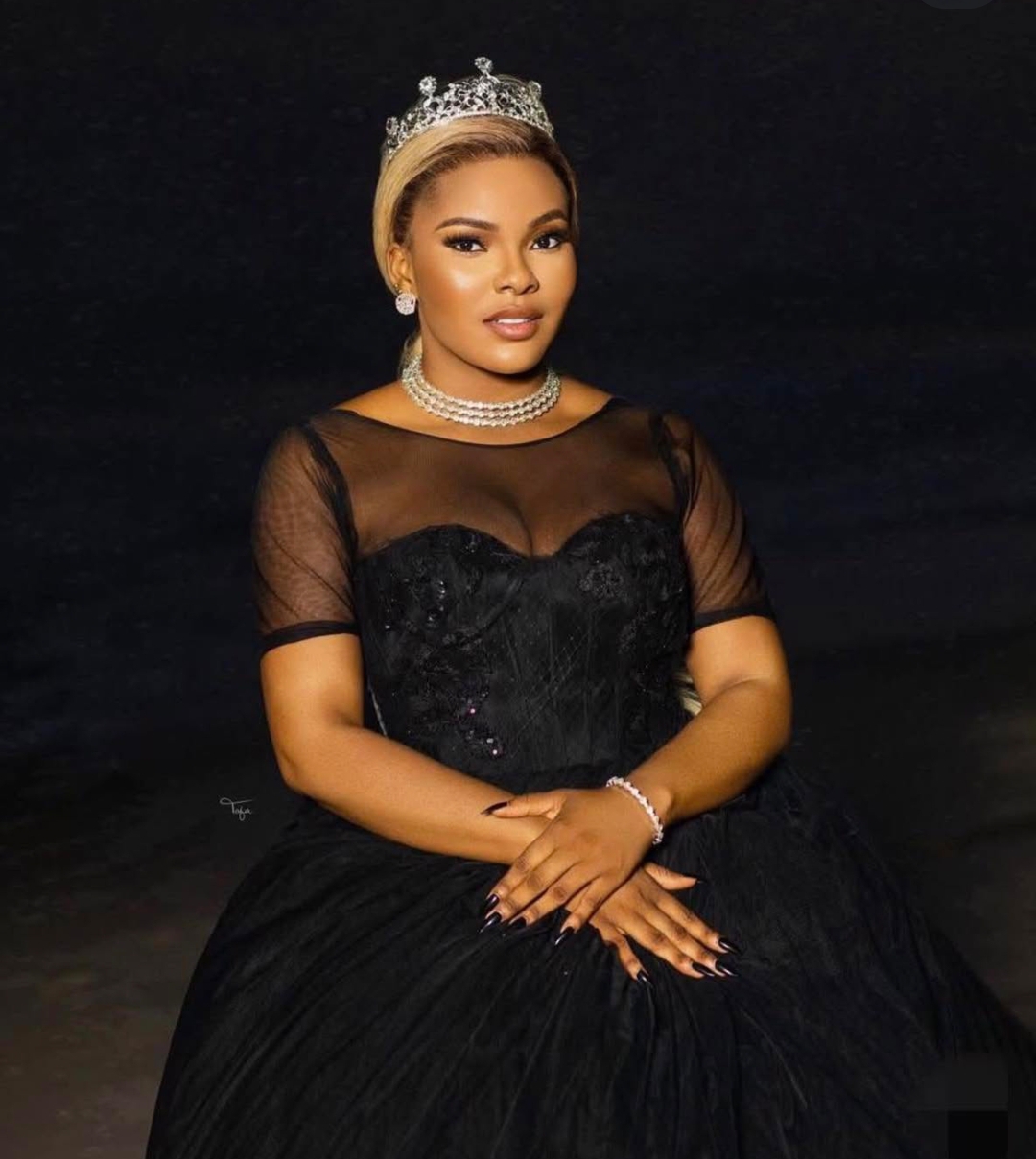
Chigozie Zeal Atuanya
- Born
- 1980-09-13 (age 45)
- Birthplace
- Aba, Abia State, Nigeria
- Occupation
- Actor, Brand Ambassador, Cultural Ambassador, Director, Entrepreneur, Film Producer, Model, Philanthropist, Producer, Television Personality
- Spouse
- Jennifer Obianuju Oranika
- Alma Mater
- Enugu State University of Science and Technology (ESUT)
- AKA
- Chigozie Atuanya
Career Stats
Career Overview
Chigozie Zeal Atuanya has 1 film credits since 2026 .
- Peak: 2026
Role Distribution
Genre Breakdown
Biography
EARLY LIFE
Chigozie Zeal Atuanya was born on September 13, 1980, in Aba, Abia State, Nigeria. Though born and raised in the southeastern region of the country, he hails from Agu-Ukwu Nri, Anaocha Local Government Area, Anambra State. He grew up in a close-knit Igbo household where traditional values, storytelling, and discipline shaped much of his formative years. Chigozie attended his early primary and secondary schools in Aba, where he showed early signs of creativity and charisma. From a young age, he had a strong inclination toward the arts, often participating in drama and cultural activities during school functions. His passion for performance was evident, but it was nurtured alongside a strong academic pursuit. Upon completing his secondary education, Atuanya went on to study at Enugu State University of Science and Technology (ESUT). There, he earned a Bachelor of Science degree in Public Administration. His time at the university was instrumental in shaping his confidence, leadership qualities, and communication skills, all of which proved useful in his acting and film production career. While at ESUT, he continued to explore his love for performance, participating in theatre groups and campus events that celebrated African culture and dramatic arts. This blend of academic grounding in administration and experiential exposure to the performing arts laid a strong foundation for his eventual entry into the Nigerian film industry.
CAREER
Chigozie Atuanya officially began his acting career in 1998 when he featured in the historical epic King Jaja of Opobo. This debut marked his first major on-screen appearance and introduced him to Nigeria’s fast-growing film industry. During this time, Nollywood was gaining traction both domestically and internationally, and Atuanya’s entrance coincided with a period of creative experimentation and narrative expansion. In these early years, he took on several supporting roles in films that spanned from rural dramas to urban thrillers. Though often cast in modest parts, his screen presence was undeniable. His articulate command of English and Igbo, expressive facial gestures, and ability to adapt to traditional or modern characterizations quickly made him a promising actor. He established himself as a rising talent with emotional depth, and his consistency in supporting roles laid a solid foundation for a long-term acting career. This period also saw Atuanya deepen his interest in the business side of filmmaking. He began learning production techniques, script development, and distribution strategies, preparing for a broader role beyond acting. As Atuanya’s name became more recognized in Nollywood, he began to land more prominent and challenging roles. This period of his career marked a shift from the sidelines to center stage. He began portraying complex lead characters, village warriors, conflicted lovers, righteous sons, and betrayed husbands, often in stories centered around family conflict, cultural duties, love, and betrayal. What set Atuanya apart was his versatility. He seamlessly adapted to a wide range of genres—traditional epic, romantic drama, contemporary comedy, and even political-themed thrillers. He also became a preferred choice for producers and directors looking to inject sincerity, masculinity, and depth into their stories. His performances during this phase contributed significantly to the cultural authenticity of Nollywood’s Igbo-language cinema and earned him a devoted fan base. This period also saw Atuanya deepen his interest in the business side of filmmaking. He began learning production techniques, script development, and distribution strategies, preparing for a broader role beyond acting. In 2015, Chigozie Atuanya experienced a major turning point with the release of Chetanna, an indigenous-language film which he both produced and starred in. The film tells the story of a young man who returns to Nigeria from the United States only to confront cultural alienation, family betrayal, and the weight of heritage. Chetanna was not only a commercial and critical success but also a cultural milestone. It became the first Igbo-language film to premiere in the United States, a feat that highlighted the global potential of indigenous Nigerian cinema. The film was lauded for its storyline, performances, and its bold use of the Igbo language as the main medium of dialogue. Atuanya’s dual role as producer and lead actor drew significant attention. He was praised for his courage in telling a deeply cultural story without pandering to mainstream preferences for English-language content. Chetanna went on to win Best Indigenous Film at the Golden Icons Academy Movie Awards (GIAMA), and was featured at various film festivals both within and outside Nigeria. It firmly established Atuanya as a visionary in Nollywood and as an ambassador for Igbo cultural preservation through cinema. Following the success of Chetanna, Atuanya committed himself further to producing and acting in films that celebrated African values, language, and identity. He featured in a range of movies, including: Brother’s Keeper (2014), Native Girl (2018), Stolen (2019), Nkem (2020), Obidike (2022), Save the Princess (2022), Mr. Wife (2023). In all these projects, he gravitated toward stories that emphasized family, identity, morality, betrayal, and redemption. His screen choices were deliberate, often meant to provoke reflection, preserve culture, or teach lessons. Atuanya remained one of the few actors in Nollywood consistently involved in indigenous language projects, particularly Igbo-language narratives. This not only distinguished him from many of his peers but also earned him recognition as one of the foremost actors in the preservation of Nigerian cultural heritage through film. Despite his accomplishments, Atuanya was not immune to the harsh realities of Nollywood’s flawed distribution system. In interviews, he revealed some of the painful financial losses he endured while working with traditional marketers. In one well-documented case, he handed a completed film to a distributor and received no return, leaving him with significant debt. He was forced to pawn his electricity generator to offset post-production costs, a traumatic experience that revealed the systemic injustices plaguing the industry. These experiences taught him valuable lessons about the importance of ownership, distribution control, and transparent financial structures. They became a motivating factor behind his eventual shift to digital platforms. In response to these systemic setbacks, Atuanya took a bold step toward digital independence. In 2025, he launched his own YouTube platform, Chigozie Atuanya Nolly TV, which became his primary avenue for film distribution. This marked a new chapter in his career, one defined by creative and financial autonomy. His first major release on this platform was the 2025 comedy-drama Habakkuk, a story that explored perception, discontentment, and illusion. The film was widely viewed and positively received, earning Atuanya commendation for adapting to the evolving media landscape. By releasing his films directly to the audience, he bypassed exploitative middlemen and reclaimed ownership of both his art and its revenues. This digital pivot also enabled Atuanya to cultivate a global audience, including Nigerians in the diaspora and non-Igbo-speaking viewers who increasingly relied on subtitles to access indigenous content. Through YouTube, he has turned his platform into not just a content hub but also a movement for empowering Nigerian filmmakers.
PERSONAL LIFE
Though largely regarded as a disciplined, culturally focused, and low-scandal figure in Nollywood, Chigozie Atuanya has not been entirely exempt from the challenges and tensions that often accompany a long-standing career in the Nigerian film industry. His most widely reported controversies revolve around industry exploitation, distribution-related financial loss, and unfiltered public commentary on Nollywood’s business practices. Atuanya’s major brush with controversy emerged from his public condemnation of Nollywood’s distribution system, especially marketers who, he claims, exploit the creative labor of producers and actors. In one particularly revealing instance, he disclosed that he had to pawn his personal generator just to finalize the post-production of one of his movies. This incident stirred a wave of industry reaction. Atuanya also sparked intense discussion when he called out the Igbo elite and upper class for failing to support indigenous language films, especially those produced in Igbo. This blunt assertion was met with mixed responses. In 2020, Atuanya found himself at the center of another controversy after some online outlets misquoted him in an interview about the moral standards in Nollywood marriages. Atuanya quickly clarified the misunderstanding. Atuanya has occasionally voiced frustration over what he described as selective recognition and reward systems in Nollywood, particularly when it comes to indigenous filmmakers. Chigozie Atuanya has consistently used his platform to promote cultural preservation, youth empowerment, and community development. As a proud advocate for Igbo heritage, he funds and produces culturally significant films like Chetanna. Beyond the screen, Atuanya participates in mentorship programs and workshops for young creatives in Nollywood. His charitable activities include donations to rural schools, provision of educational materials and relief items to orphanages, and support for cultural education initiatives. During the COVID-19 pandemic, he joined public health campaigns and distributed essentials to underprivileged communities. Chigozie Atuanya is known for maintaining a relatively private and grounded personal life. Nollywood actor and producer Chigozie Atuanya is married to Jennifer Obianuju Oranika. Their traditional wedding ceremony took place on Sunday, March 31, 2013, in Abatete, Anambra State. The couple held their white (church) wedding on Saturday, August 3, 2013, at the Catholic Church of the Assumption in Asokoro, Abuja. In September 2014, the couple welcomed their first child, a daughter named Kaima. Family remains a central pillar of Atuanya’s identity. A practicing Christian, Atuanya often credits his faith for guiding his decisions in life and business. Chigozie Atuanya’s father, Elder Dominic Nonyelum Atuanya, passed away on Thursday, February 5, 2015, at the age of 77. The burial ceremony drew significant public attention. Despite the heartbreak, Chigozie Atuanya displayed remarkable resilience. Over the years, Chigozie Atuanya has been associated with various brands and organizations. He served as a brand ambassador for Hero Lager, a popular beer brand. Atuanya was also a notable brand influencer for Zandas Cosmetics Nigeria. He has partnered with non-profit and governmental organizations on ambassadorial roles focused on cultural tourism, indigenous language promotion, and youth education. Atuanya has occasionally served as an ambassador and facilitator for film-related conferences.
Filmography
- Played the character of Chinedu.
Key Collaborations


Frequent Directors
Frequent Producers
Career Timeline
By Decade
Box Office
Weekly Top Grossing3 Cold Dishes
₦5,331,351.00
Gingerrr
₦12,727,775.00
Gingerrr
₦21,139,500.00
The Herd
₦16,977,673.00
3 Cold Dishes
₦15,261,240.00
Subscribe to our Newsletter
Get the latest box office updates, trending movies, and exclusive reviews delivered straight to your inbox.
Popularity Score
Top 99% of African actors