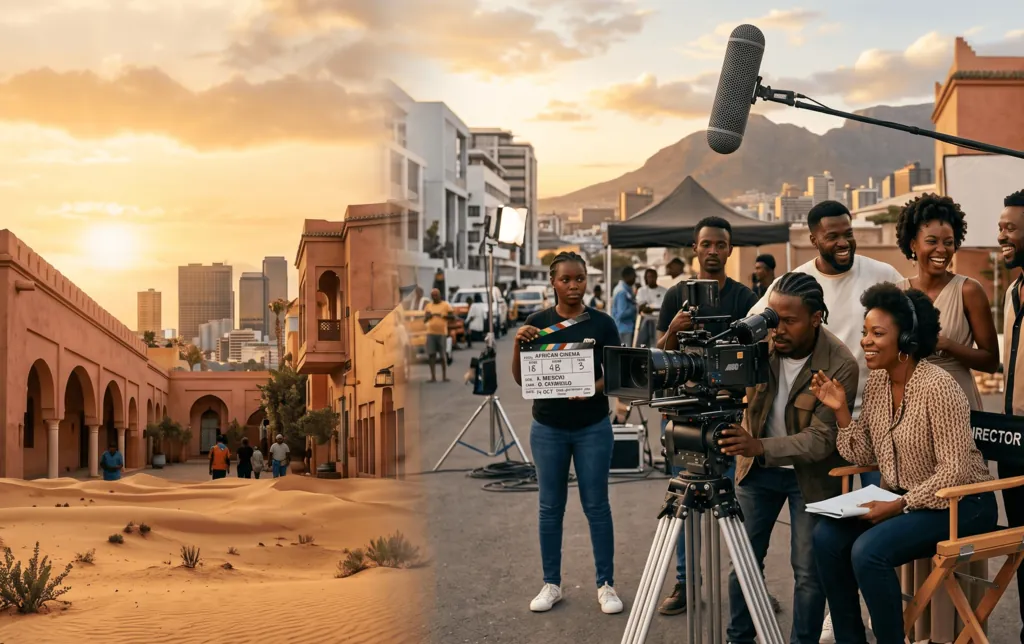
The Complete Beginner's Guide to African Cinema
African cinema is one of the world's most diverse and rapidly growing film industries. Spanning more than 50 countries, thousands of languages, and countless cultures, it offers stories that reflect the rich history, traditions, challenges, and aspirations of people across the African continent.
While many people associate African cinema primarily with Nollywood, Nigeria's globally recognized film industry, African filmmaking extends far beyond a single country. From Egypt's century-old cinematic tradition to South Africa's internationally acclaimed productions and the emerging film industries of Kenya, Senegal, Ghana, Morocco, Uganda, and many others, African cinema represents a vibrant tapestry of storytelling.
Whether you're completely new to African movies or looking to explore beyond familiar titles, this guide will introduce you to the history, industries, genres, filmmakers, and unique qualities that make African cinema an exciting world to discover.
What Is African Cinema?
African cinema refers to films produced across the African continent by African filmmakers and production companies. These films may be created in English, French, Arabic, Portuguese, Swahili, Yoruba, Hausa, Zulu, Amharic, Igbo, Wolof, and hundreds of other languages spoken throughout Africa.
Rather than being a single style of filmmaking, African cinema is a collection of many national and regional film industries, each influenced by its own culture, history, traditions, and social realities.
Some films explore historical events, while others focus on modern relationships, family life, politics, crime, religion, migration, technology, or science fiction. Together, they showcase the diversity of African experiences and perspectives.
A Brief History of African Cinema
The story of African cinema spans more than a century and reflects the continent's political, cultural, and technological evolution.
Early Cinema
The earliest films shown in Africa were introduced during the colonial era. Much of this filmmaking was created by foreign filmmakers and often reflected colonial viewpoints rather than African voices.
Post-Independence
As African nations gained independence during the mid-20th century, local filmmakers began telling stories from their own perspectives. These films explored identity, freedom, culture, and the social changes taking place across newly independent countries.
The Home Video Revolution
One of the biggest turning points came in the 1990s with the rise of affordable video technology. Countries such as Nigeria dramatically increased film production using direct-to-video releases, making filmmaking more accessible and helping create one of the world's largest film industries.
The Streaming Era
Today, African films reach audiences around the globe through cinemas, television, and streaming platforms. Increased international investment, improved production quality, and global distribution have introduced African stories to millions of new viewers while preserving local voices.
The Major Film Industries Across Africa
African cinema is made up of numerous national industries, each contributing its own distinctive storytelling traditions.
Nigeria
Nigeria's Nollywood is among the world's largest film industries by production volume. It is known for producing dramas, romantic films, family stories, comedies, thrillers, and epics that resonate with audiences both within Africa and internationally.
Ghana
Ghana has developed a vibrant film industry recognized for emotional dramas, romantic stories, and culturally rooted productions. Ghanaian filmmakers continue to expand their reach across Africa and beyond.
South Africa
South Africa is known for high production values, internationally recognized filmmakers, documentaries, historical dramas, and films that have earned global awards and festival recognition.
Egypt
Egypt possesses one of Africa's oldest and most influential film industries, often referred to as the "Hollywood of the Middle East." Egyptian cinema has shaped filmmaking across North Africa and the Arab world for decades.
Kenya
Kenya's film industry continues to grow through independent productions, television dramas, documentaries, and internationally recognized feature films.
Morocco
Morocco combines local storytelling with international productions and has become a popular destination for filmmakers thanks to its diverse landscapes and experienced production crews.
Senegal
Senegal has played a significant role in African cinema through influential directors whose work has helped define modern African filmmaking.
Emerging Industries
Countries including Uganda, Tanzania, Ethiopia, Rwanda, Zambia, Zimbabwe, Namibia, Botswana, Cameroon, Côte d'Ivoire, and many others continue to strengthen their film industries, producing stories that reflect local cultures and contemporary life.
Popular Genres in African Cinema
African filmmakers create movies across virtually every genre.
Some of the most popular include:
- Drama
- Romance
- Comedy
- Action
- Crime
- Thriller
- Horror
- Historical films
- Epic stories
- Family films
- Documentaries
- Animation
- Fantasy
- Science fiction
Many productions also blend multiple genres, creating stories that are both entertaining and culturally authentic.
What Makes African Movies Unique?
African cinema stands out because it often places people, family, and community at the center of its stories.
Common characteristics include:
- Strong family relationships
- Community-centered storytelling
- Rich cultural traditions
- Indigenous languages
- Music and dance
- Folklore and oral storytelling
- Exploration of social issues
- Historical and political themes
- Spiritual beliefs and traditions
- Celebration of resilience and identity
Although styles vary from country to country, these themes help distinguish many African films from productions elsewhere.
Famous African Actors You Should Know
African cinema has produced talented actors who have achieved recognition both locally and internationally.
Many performers have built careers that span television, streaming productions, blockbuster films, and award-winning independent cinema. Their work continues to introduce global audiences to African storytelling.
Explore actor profiles on AfricanMovieDB to discover performers from different countries, learn about their careers, and browse their complete filmographies.
Influential African Directors
Behind every memorable film is a director with a unique creative vision.
African directors have shaped the continent's cinematic identity by telling authentic stories that reflect local cultures while addressing universal themes.
Whether creating independent films or large commercial productions, these filmmakers continue to influence audiences around the world.
AfricanMovieDB provides detailed profiles of directors and the films they have created throughout their careers.
African Film Awards Worth Knowing
Film awards celebrate excellence and encourage continued growth within the industry.
Across Africa, national and regional awards recognize achievements in acting, directing, writing, cinematography, music, editing, and production.
International film festivals and awards have also helped African filmmakers gain worldwide recognition and bring greater attention to stories from the continent.
International Recognition of African Cinema
African films regularly appear at major international film festivals and award ceremonies.
Over the years, filmmakers from across the continent have earned recognition for their storytelling, artistic vision, documentaries, and feature films.
This growing international presence has expanded opportunities for collaboration, investment, and global distribution while introducing wider audiences to African perspectives.
Where to Watch African Movies
Today, watching African films is easier than ever.
You can enjoy African cinema through:
- Local cinemas
- Television broadcasters
- International streaming platforms
- Regional streaming services
- Film festivals
- Community screenings
- Educational institutions
Whenever possible, choose legal viewing platforms to support filmmakers and encourage continued investment in African storytelling.
How to Start Watching African Movies
If you're new to African cinema, begin by exploring different countries and genres rather than focusing on a single industry.
You might enjoy:
- Romantic dramas from Nigeria or Ghana.
- Historical films from North Africa.
- Crime thrillers from South Africa.
- Independent dramas from East Africa.
- Award-winning festival films from West Africa.
- Family comedies and contemporary urban stories from across the continent.
Over time, you'll discover favorite actors, directors, and genres while gaining a broader appreciation for the diversity of African filmmaking.
Frequently Asked Questions
Is African cinema the same as Nollywood?
No. Nollywood refers specifically to Nigeria's film industry. African cinema includes the film industries of every country across the continent.
Which African country produces the most movies?
Nigeria is widely recognized as one of the world's most prolific film-producing countries.
Are African movies only made in English?
No. African films are produced in hundreds of languages, including Arabic, French, Portuguese, Swahili, Yoruba, Hausa, Igbo, Zulu, Amharic, and many others.
Where can I watch African movies?
African films are available through cinemas, television, regional streaming services, international streaming platforms, and film festivals.
Why is African cinema becoming more popular?
Improved production quality, global streaming platforms, international film festivals, and growing worldwide interest in African stories have helped expand the audience for African cinema.
Final Thoughts
African cinema is far more diverse than many people realize. Every country contributes unique stories, traditions, languages, and creative voices that enrich the continent's cinematic landscape.
Whether you're interested in historical dramas, contemporary romances, thrilling crime stories, inspiring documentaries, or groundbreaking independent films, African cinema offers something for every viewer.
As you continue exploring, AfricanMovieDB can help you discover new movies, learn about actors and directors, browse films by country or genre, and stay connected with the ever-evolving world of African cinema.